The nuts and dried fruit
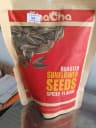
This is the half of the shelf that earns its place nutritionally. Almonds, peanuts, cashews, walnuts, pistachios, pumpkin and sunflower seeds, and a 7-nut mix, mostly in 200g packs from Nature Food and Mr. Squirrel.
Nuts are calorie-dense and people tend to be surprised by how much — around 600 calories per 100g for almonds and walnuts. That is not an argument against them; it is an argument for eating them by the handful rather than the bag. A 30g portion, which is about twenty almonds, is the standard serving that nutrition research uses.
Roasted or raw is largely a matter of taste, though roasting does reduce some of the vitamin E. Salted versus unsalted matters more if you are eating them daily. Walnuts are the one worth singling out: they are the best plant source of omega-3 on this shelf by a distance.
Dried fruit — mango chips, dates from Pakistan, prunes, golden raisins, cranberries, goji and mixed berries — is fruit with the water removed, which means the sugar is concentrated by a factor of four or five. A handful of raisins is the sugar of a large bunch of grapes without the volume that tells you to stop. Excellent in cooking and in a trail mix, less good as a thing you eat absently while working.
The crisps and crackers
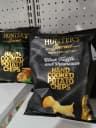
Hand-cooked potato chips from Hunter's Gourmet come in the flavours that explain their price: black truffle, black truffle and parmesan, white truffle, white truffle and porcini, pesto parmesan, quattro formaggi, smoky tandoori, sour cream and onion. Hand-cooked means fried in small batches at a lower temperature, which produces the harder, blistered, uneven crisp that is the point.
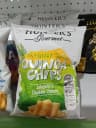
Quinoa chips in Peruvian sea salt, jalapeño cheddar, sweet chilli salsa and salt and vinegar are the lighter alternative, and Lorenz naturals in balsamic vinegar, rosemary and salted are the straightforward European ones.
Locally, Malungay chips come in five — barbecue, cheese, classic, sour cream, sweet corn — made with moringa, and cassava chips in barbecue and sour cream and onion. Both are worth trying if you have only ever bought imported.
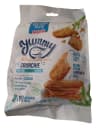
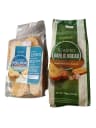
Rice crackers from Yummy in seaweed and natural sweet are the mildest thing on the shelf and the one children reliably eat. Toasted garlic bread in 150g, original and less sugar, sits somewhere between a cracker and a rusk.
Chocolate and the sweet end
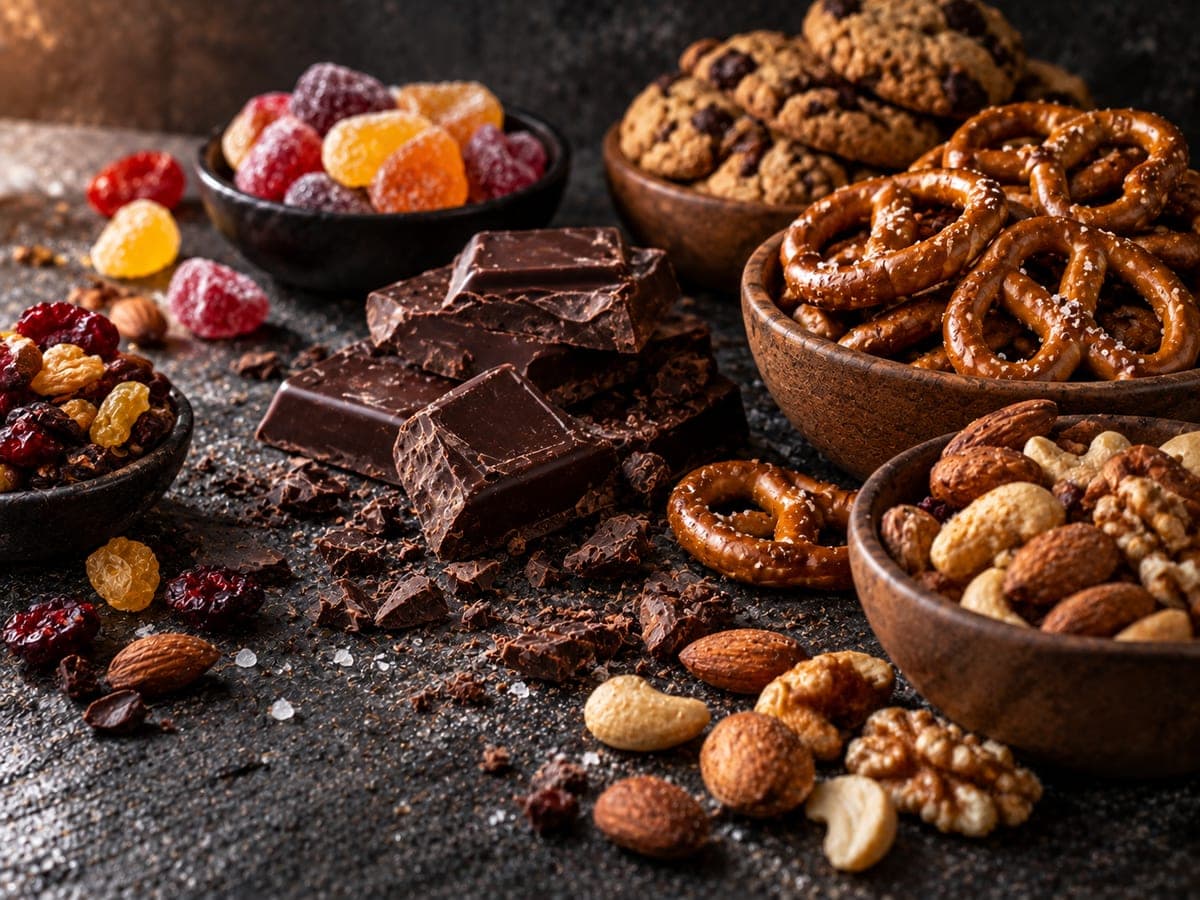
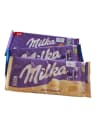
Milka in 100g bars — Biscoff, Oreo and white chocolate — is the European milk chocolate most people on this island grew up with, and the alpine milk in the recipe is what gives it that particular softness. Dark chocolate and almond milk chocolate round out the bars.
Chocolate and heat are a well-known problem. Milk chocolate starts softening around 30 °C, which on Panglao is most of the year, and the white bloom that appears on a bar that has melted and reset is cocoa butter that has separated and recrystallised. It is harmless and it tastes fine — it simply looks wrong, and it is a reliable sign the bar has been warm.
Keep chocolate in the coolest cupboard rather than the fridge, where it picks up odours and condenses moisture on the surface when you take it out. If you must refrigerate it, seal it properly and let it come back to room temperature in the wrapper before opening.
Dark chocolate and hazelnut cookies from Merba, the sticky toffee pudding and the Belgian waffle crisps are the rest of the sweet shelf. None of them pretend to be anything other than what they are.
Biltong, and snacks that are actually meat
Traditional beef biltong is the one item on this shelf that belongs to the butcher rather than the grocer. It is South African air-dried beef, cured with vinegar, salt and coriander, and it is not jerky: jerky is cooked with heat and usually sweet, biltong is air-dried and savoury, and the texture is completely different.
It is high protein, very low sugar, and it keeps for weeks without refrigeration, which makes it the most useful thing here to put in a dive bag or take on a long ride.
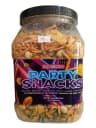
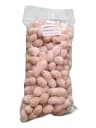
Roasted peanuts in shell and party snacks in 1kg bags are the volume end, for when people are coming over and nobody is going to be counting.
Keeping snacks crisp in the tropics
Humidity defeats everything on this shelf. A bag of crisps clipped shut on a Panglao counter is soft in three days, and nuts go soft and then rancid.
For crisps and crackers, decant into an airtight container the moment the bag is opened. A clip is not a seal. For anything that has already softened, five minutes on a tray at 150 °C and a full cooling period will bring most of it back.
Nuts are the ones to think about more carefully. Their oils oxidise, and the result is a rancid, paint-like taste that is unmistakable once you have met it. In this climate an opened bag of nuts belongs in the fridge or freezer, not the cupboard — the fridge triples their life and the freezer does more. They thaw in minutes and lose nothing.
Dried fruit is the opposite problem: it absorbs moisture and clumps. Airtight, cool, and if a block has formed, a few seconds in the microwave separates it.
Buying without over-buying
The honest advice for this category is to buy less than feels natural. The 200g packs of nuts are two weeks of sensible eating for one person and two days of unsensible eating, and the 1kg party bags are exactly what they say — for a party, not for a cupboard.
For a boat trip or a long drive, biltong, a nut mix and dried mango cover it and none of them mind the heat. For a beach afternoon, the crisps and the chocolate are the wrong things to bring and everyone brings them anyway.
Stock here changes with each import and the local lines move fastest. The list on this page reads live from the till, so if a flavour is not on it, it is genuinely not in the shop today.