Wine, and the problem with heat
Wine is the hardest thing to sell well in the tropics, and it is worth being straightforward about why. Wine ages best between 12 and 16 °C. Sustained exposure above about 24 °C accelerates every reaction in the bottle, and above 30 °C it cooks — the fruit drops out, the tannins flatten, and what is left tastes stewed.
That means two things. First, buy wine to drink within weeks rather than to lay down; a Panglao house is not a cellar. Second, get it into a cool, dark, stable place as soon as you are home. Stability matters as much as temperature — a bottle that swings between 22 and 32 °C daily deteriorates faster than one that sits steadily at 26.
The range here is deliberately made up of wines that are meant to be drunk young: Chilean and Australian reds like the Table Mountain cabernet sauvignon, Rothbury Estate shiraz cabernet, Cawarra, Lindemann's, and Baron de Valls, with chardonnay and a few whites alongside. These are wines built for pleasure now, which is the right choice for the climate rather than a compromise.
Serve reds cooler than you would in Europe. Room temperature here is 29 °C, and a red at 29 °C tastes flabby and alcoholic. Twenty minutes in the fridge before pouring transforms it — aim for 16 to 18 °C, which feels almost cold to the hand and is exactly right in the glass.
What to drink with the counter
With the sausages: a beer, honestly. A cold lager against a bratwurst is the pairing those sausages were built around, and Heineken or the Island Brewers lagers do the job better than any wine on the shelf.
With the steaks: a red with enough tannin to cut the fat. The shiraz cabernet or the cabernet sauvignon are the right shape for a ribeye. For the leaner Brazilian cuts and for ostrich, something a little softer works better — tannin against very lean meat can taste harsh.
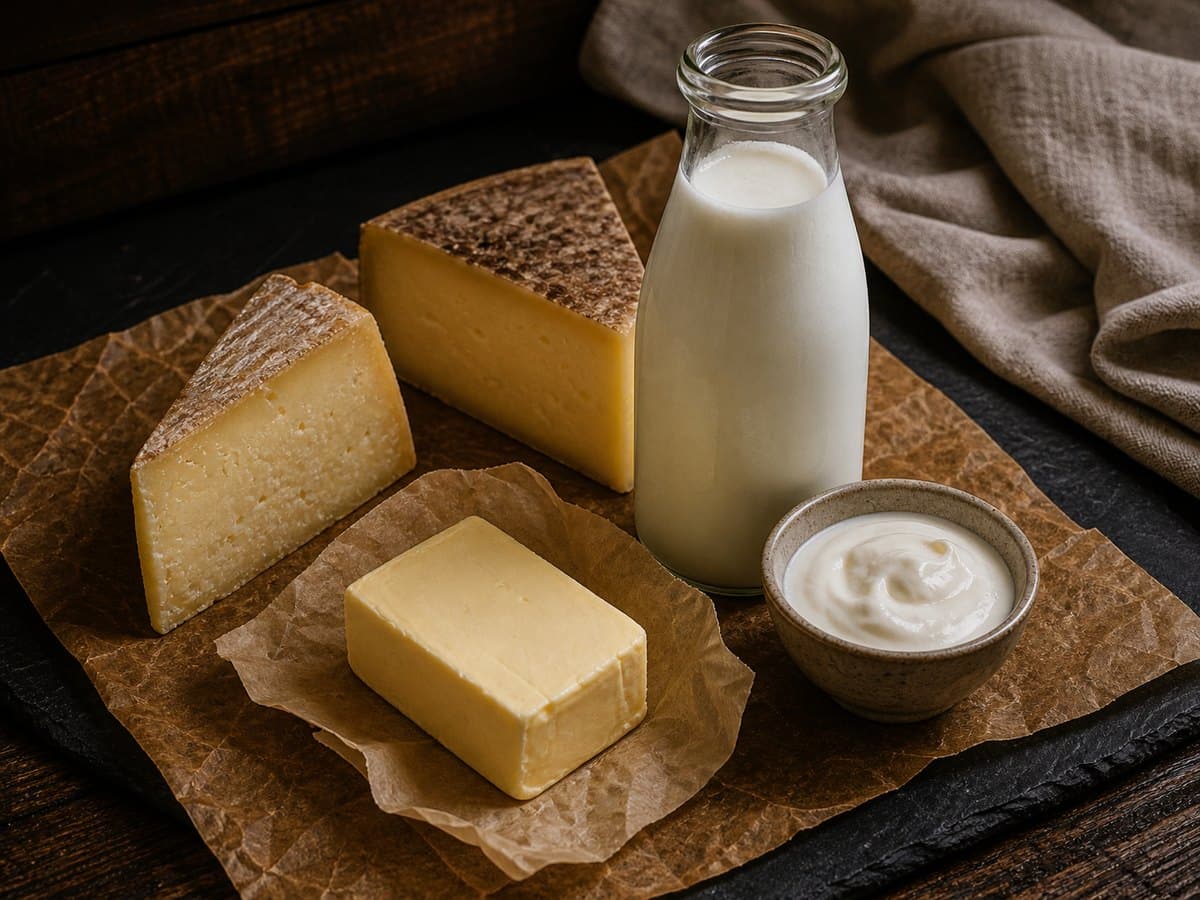
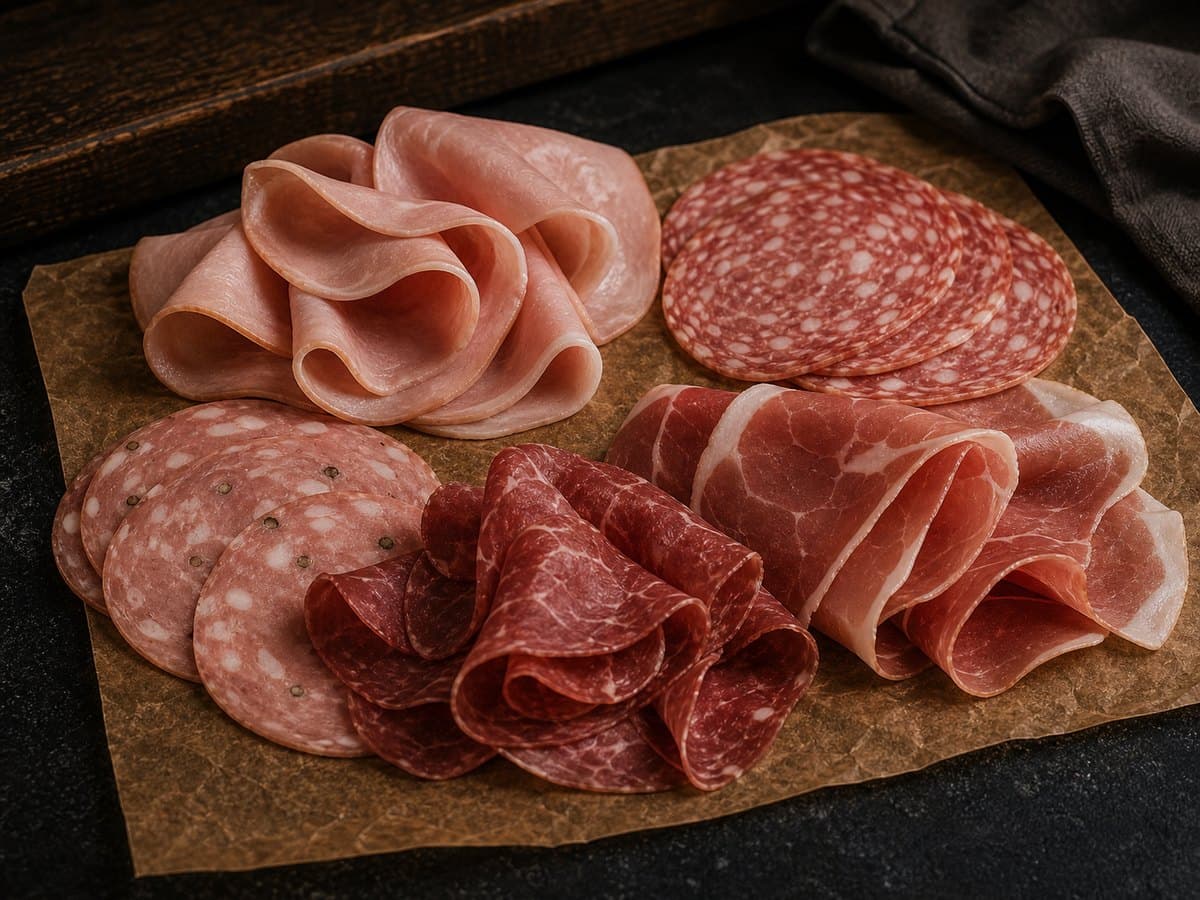
With the cold cuts and cheese: white, and specifically the chardonnay. Acidity is what resets the palate between rich, salty mouthfuls, and it is why a big red with a charcuterie board is less pleasant than people expect.
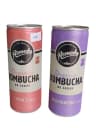
With seafood: the whites, or a kombucha if you are not drinking. The Remedy kombucha in passionfruit and peach is genuinely useful at a table where some people are drinking and some are not, because it is dry and sour rather than sweet.
Coffee, roasted on this island
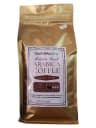
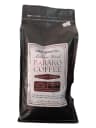
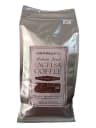
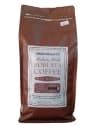
Naturalmind's beans are the local pride of this shelf, and they come in four varieties in both 100g and 1kg: arabica, robusta, excelsa and barako, plus a house blend.
Those names describe different species, not roast levels, and the difference is real. Arabica is the soft, aromatic, slightly acidic one that most specialty coffee is made from. Robusta has roughly twice the caffeine, a heavier body and a harsher edge — it is what gives Italian espresso blends their crema and their kick. Excelsa is tart and fruity and unusual outside southeast Asia. Barako is a Philippine liberica, strong and distinctly woody, and it is the one to buy if you want to taste something you cannot get elsewhere.
Buy whole beans and grind them yourself if you possibly can. Ground coffee loses most of its aroma within a week; whole beans hold it for a month. Store beans airtight at room temperature, never in the fridge, where they absorb odours and attract condensation.
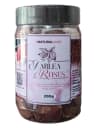
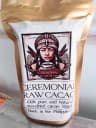
Ceremonial grade cacao in 250g and cacao tablea roses in 200g are the drinking-chocolate end, and tablea is the traditional Filipino form — pure ground roasted cacao, pressed into discs, dissolved in hot water or milk. It is bitter and thick and nothing like cocoa powder from a tin.
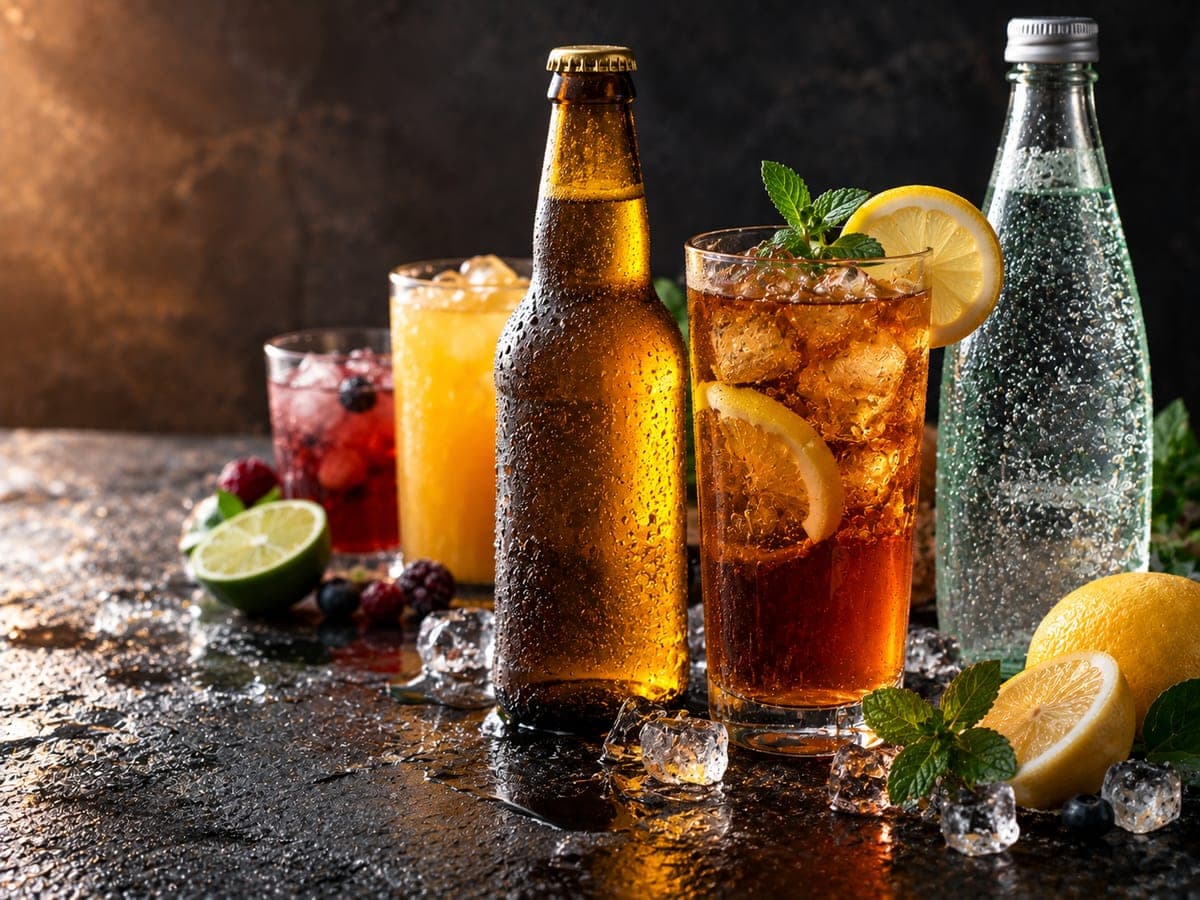
Beer, soft drinks and the cold shelf
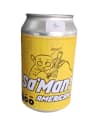
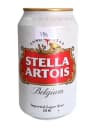
Island Brewers, brewed in the Philippines, provide the craft end — an American IPA called Sa Man and La Morena, both 330ml. Heineken original and silver, Stella Artois and the other imported lagers cover the familiar ground.
Beer suffers less than wine from heat but not none: light and warmth both degrade it, and the skunky note in a beer that has sat in the sun is a real chemical reaction in the hops. Store it dark and cold and it keeps its character.
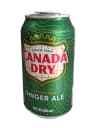
Arizona iced tea in green tea, lemon and peach, Canada Dry ginger ale, Dr Pepper and Starbucks double shot espresso cover the soft drinks. The Rhodes juices in apple-cranberry and strawberry-banana come in 1L cartons.
The cold-pressed juices — coconut water, cucumber breeze, melon lemon, pure watermelon — are the local, unpreserved ones and they have days rather than months of life. Keep them cold and drink them quickly.
Milk, and what raw means
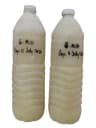
Raw milk comes from cow, carabao and goat, in 1L bottles, alongside pasteurised flavoured milks in chocolate, mango and ube, and Emborg full cream and almond, oat and soya milks.
Raw means unpasteurised: it has not been heated, so the natural enzymes and bacterial cultures are intact. It tastes markedly different from carton milk — fuller, sweeter, more variable — and it is the reason some people will not drink anything else. It is also the reason it must be kept properly cold and used within a few days.
Carabao milk is the standout. Water buffalo milk runs around 7 to 8 per cent fat against cow's 3.5, which is why it makes such good cheese and such thick yoghurt, and why a glass of it is closer to a light cream than to milk.
Raw milk is not appropriate for everyone — the usual advice is that pregnant women, young children, the elderly and anyone immunocompromised should drink pasteurised. That is a real consideration rather than a legal footnote, and the pasteurised options are on the same shelf.
Buying and keeping
Wine and beer keep indefinitely unopened if stored sensibly, and both are worth buying a few bottles at a time rather than a case, because the storage conditions in most houses here are the limiting factor rather than the money.
An opened bottle of wine lasts two or three days in the fridge with a stopper, whites and reds alike — refrigerating an open red is correct even though serving it cold is not, and you simply take it out twenty minutes before pouring.
Milk, juice and kombucha are the short-dated items and the ones to check before you buy. The list on this page reads live from the till, so what it shows is what is in the chiller now.
For anything you want to be sure of — a case for a party, a particular wine, the barako beans — message the counter before you drive out. Drinks are the fastest-moving category in the shop after bakery.