Granola, muesli, oats: three different things
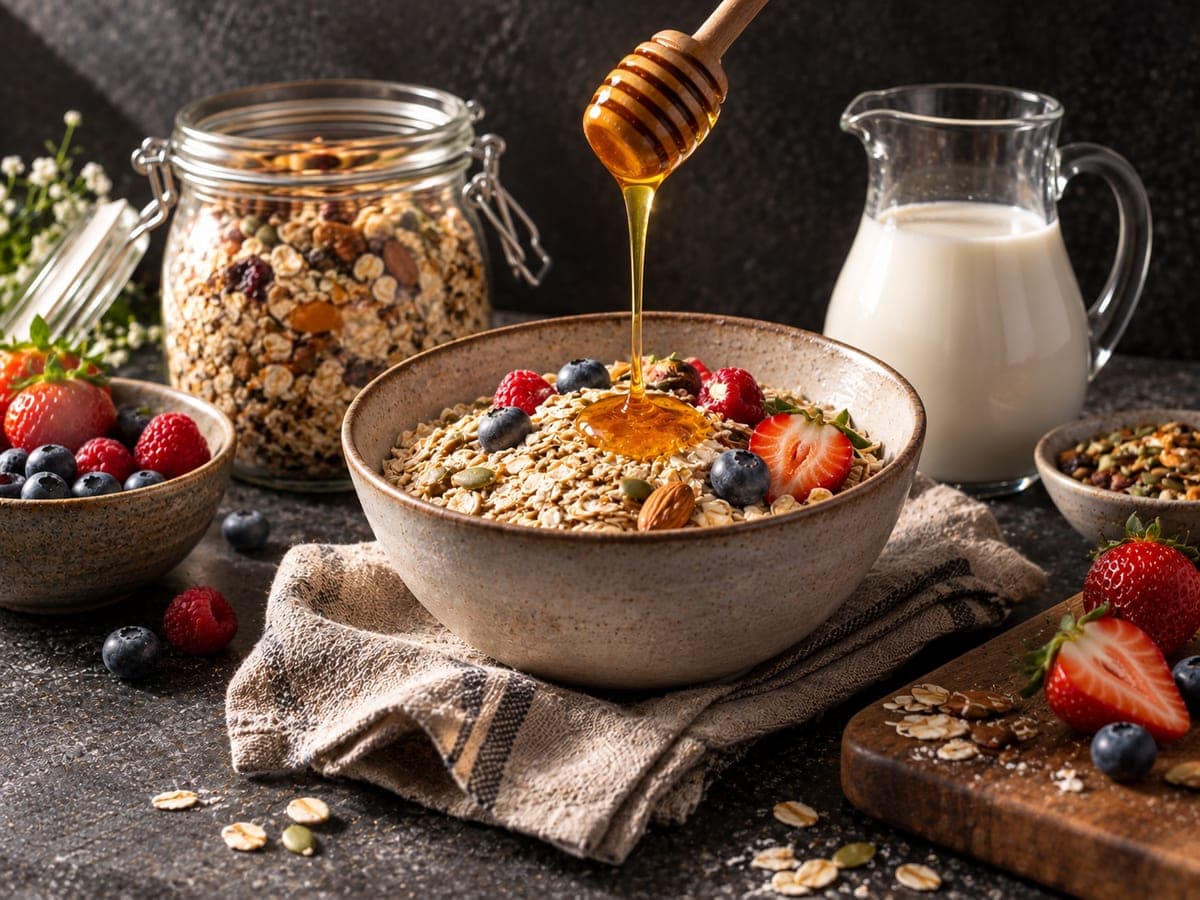
These three words are used as if they were interchangeable and they are not. Oats are the raw material: rolled, steamed and flattened, with nothing added. Muesli is raw oats mixed with nuts, seeds and dried fruit — uncooked, unsweetened, and traditionally soaked rather than poured into milk. Granola is muesli that has been bound with oil and a sweetener and baked until it clusters and crisps.
That baking step is the whole difference, and it is where the calories arrive. A granola is typically fifteen to twenty-five per cent sugar by weight, because sugar is what makes the clusters hold together. A muesli of the same weight is usually under five. Neither is wrong — but a bowl of granola is closer to a dessert than the packaging usually suggests, and it is worth knowing which one you are eating.
Plain rolled oats are the cheapest and most flexible of the three, and the only one where you control everything that goes in. Our Nature Food rolled oats in 200g packs are the base for porridge, overnight oats, flapjacks and crumble topping.
Reading the label without being fooled
Ingredients are listed by weight, largest first. If a sweetener — sugar, honey, syrup, cane juice, agave — appears in the first three, the product is a confection with oats in it. That is fine if it is what you wanted.
Watch for the sugar that arrives under other names: brown rice syrup, coconut sugar, date paste, malt extract and fruit juice concentrate are all sugar, and splitting one sweetener into three keeps each of them further down the list. Add them together mentally.
Per-100g figures are the only way to compare products, because serving sizes are set by the manufacturer and a brand that wants a flattering number will simply declare a 30g serving. Under 5g of sugar per 100g is genuinely low; 5 to 15 is moderate; over 20 is a treat.
Fibre is the number worth looking for rather than avoiding: over 6g per 100g is good, and it is the thing that actually determines whether breakfast holds you until lunch.
What is on this shelf
Fit & Flex granola comes in 275g and 400g packs across mixed fruits, choco almond cookies, happy berries and power oats, with muesli in 210g packs — nuts about nuts, fruity crunch, choco almond cookie. It is the Filipino brand on the shelf and the best value per gram.
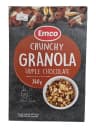
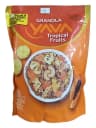
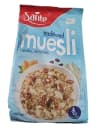
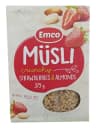
Yava granola in 400g bags — coconut banana, tropical fruits — is the more indulgent end, with bigger clusters. Emco crunchy muesli in 340g and 375g runs through crispy caramel, triple chocolate, tropical fruit, blueberry raspberry and strawberry almond. Sante fruit muesli is the plainer European option.
Naturalmind, which is local, makes the granola in 200g packs — classic walnut and cacao almond — along with the almond butter granola bites, and the grain-free coconut flakes cereal in cacao. Those coconut flakes are the one to look at if you are avoiding grains entirely; they are coconut meat rather than oats.
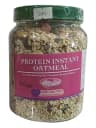
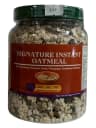
Instant oatmeal comes as signature, fruity and protein in 500g packs. The protein version is the one worth its premium if you train; the fruity one is sweetened and aimed at children.
Overnight oats, and why they work
The most useful thing you can do with plain oats in this climate is stop cooking them. Overnight oats are simply oats soaked in liquid in the fridge, and they solve the problem of wanting breakfast at seven when it is already twenty-eight degrees.
The base ratio is one part oats to one part liquid by volume, plus a spoon of yoghurt if you want it creamier. Milk, kefir or coconut milk all work. Leave it six hours or overnight; the oats hydrate, soften and thicken without any heat at all.
Add anything acidic or fresh in the morning rather than the night before — berries bleed, banana browns, and citrus can curdle dairy if left too long. Nuts and seeds are better added in the morning too, so they stay crunchy.
A jar made on Sunday evening keeps three days in the fridge, which makes this the one breakfast that genuinely can be batch-made.
Keeping cereal crisp in the tropics
Humidity is the enemy of every product on this shelf. An opened bag of granola left folded over on a counter in Panglao will be soft within a week, and no amount of clipping the top solves it properly.
Move opened packs into an airtight container — a proper sealing jar or a lidded box, not a zip bag, which lets in more than people expect. Keep it out of direct sun and away from the stove. A silica sachet, if you have one from another product, is worth dropping in.
Granola that has gone soft can be brought back: spread it on a tray, ten minutes at 150 °C, and let it cool completely before touching it. It re-crisps as it cools, not in the oven, so judging it while hot will make you overbake it.
Unopened, everything here keeps for months. The dates on the packs are best-before rather than use-by, and a granola a month past its date is stale rather than unsafe.
Buying for a household
A 400g bag of granola is roughly eight to ten bowls, which is a week and a half for one person or four days for a family that all eat it. A 500g pack of oats is considerably more — twelve to sixteen portions — because a porridge serving is 40 to 50g dry.
If you are buying for children, look at the sugar figure before the flavour name. The fruity and chocolate versions on this shelf are consistently the sweetest, which is not a criticism so much as a fact worth having before breakfast becomes a negotiation.
This shelf turns over steadily and the imported lines come in batches, so a flavour can be missing for a couple of weeks and then return. The list on this page reads from the till and shows what is there now.