Why a pantry shelf matters more on an island
In a European city the store cupboard is a convenience. Here it is the difference between cooking what you want and cooking what the market had. Fresh ingredients on Panglao are excellent and unpredictable; a good pantry is what makes that unpredictability workable.
The principle behind this shelf is that a handful of strong, salty, acidic ingredients will rescue almost any plain protein. A piece of chicken becomes a meal with capers, lemon and butter. Plain pasta becomes dinner with good tinned tomatoes and olives. None of that requires planning — it requires having the jars.
Almost everything here keeps for a year or more unopened, which is the other half of the argument. A pantry is the one part of a kitchen where buying ahead costs nothing.
Tomatoes, olives and the Italian shelf
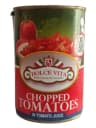
Dolce Vita chopped tomatoes in 400g tins are the backbone of the shelf. Tinned tomatoes are one of the few processed foods that genuinely beat the fresh alternative for cooking — they are picked ripe and canned immediately, whereas fresh tomatoes shipped any distance are picked green. For any sauce that will be cooked, tinned is the better ingredient.
Cherry tomatoes in a jar from Mazza are sweeter and hold their shape, which makes them the better choice when you want whole tomatoes visible in the finished dish rather than a smooth sauce.
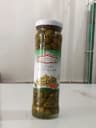
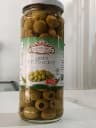
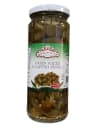
Olives come green and black, pitted, in 340g and 900g jars. Pitted is the practical choice and costs a little flavour — the stone contributes during storage — but nobody has ever regretted not picking stones out of a pasta sauce. Capers in vinegar, in 140g jars, are the sharpest thing on this shelf and the one that does the most work per spoonful: rinse them, then fry them briefly in oil until they burst and crisp, and put them on fish.
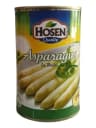
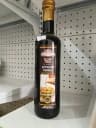
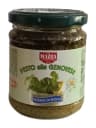
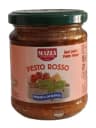
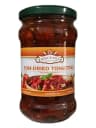
Pesto comes as alla genovese and rosso, sun-dried tomatoes in oil, jalapeños sliced, and artichoke-adjacent things like asparagus in brine. Balsamic vinegar in 500ml and the artisanal olio piccante round out the Italian end.
The German shelf
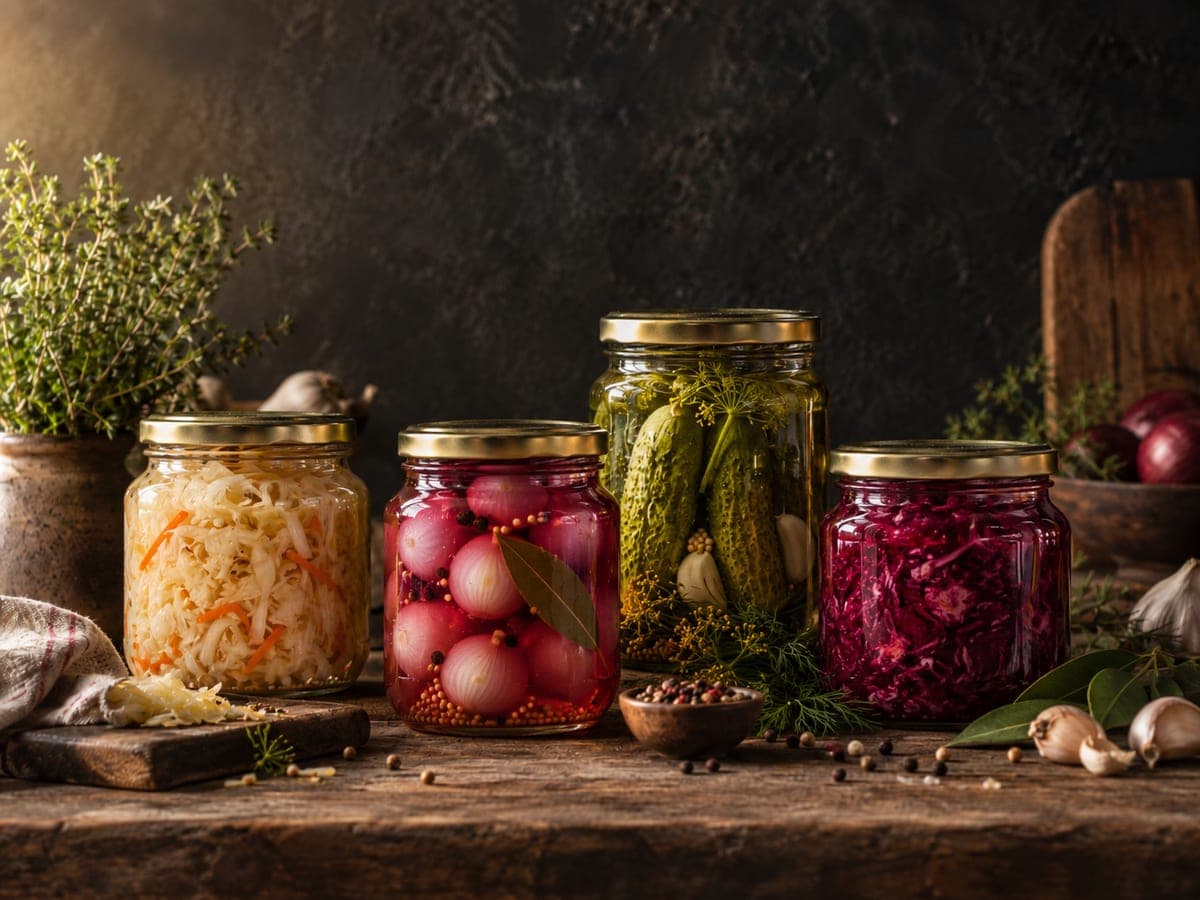
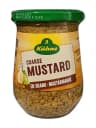
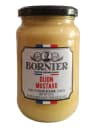
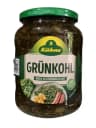
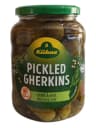
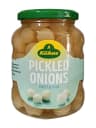
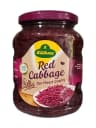
Kühne is the name to look for here: sweet mustard in 260g, original Dijon in 185g, coarse mustard, pickled gherkins in 670g jars, pickled onions, red cabbage, and Grünkohl nach Oldenburger Art — curly kale prepared the north German way, which is a genuinely hard thing to find in southeast Asia.
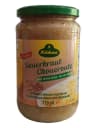
Sauerkraut comes two ways: the old-fashioned kind in 946ml and choucroute in 720ml. The difference is preparation rather than principle — choucroute is the Alsatian version, usually milder and often cooked with wine and juniper. Both want rinsing if you find them sharp, and both improve dramatically if you cook them with a little bacon fat and an apple.
Sweet mustard is not a substitute for Dijon and vice versa. Sweet mustard is what goes with Weisswurst and Fleischkäse and would be wrong in a vinaigrette. Dijon is the emulsifier that makes a salad dressing hold together and the backbone of a cream sauce. It is worth having both, and they are two of the cheapest ways to make a meal taste deliberate.
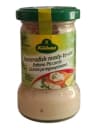
Horseradish, ready-to-use in 140g, is the one to keep beside the roast beef, and it loses its heat quickly once opened — buy small, use it, buy again.
Sauces, spreads and the rest
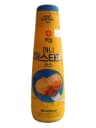
The sriracha family from Crying Thaiger comes in three: hot chilli, mayo chilli and wasabi chilli, all in 440ml bottles. The mayo version is the one that surprises people — it belongs on a burger rather than in a stir-fry. Kewpie Japanese mayonnaise in 300g is the other bottle worth having: made with egg yolks only and rice vinegar, it is richer and sharper than western mayonnaise and not really interchangeable with it.
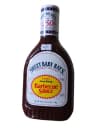
A.1. steak sauce in a 425g bottle is there for the Americans, and the artisanal hot sauces — Zenith Bloom, Velvet Noir, Terra Viridis in 150ml — are for people who have opinions about heat. Artisanal spiced vinegar in 500ml is the local-leaning option and excellent with fried anything.
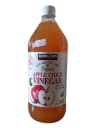
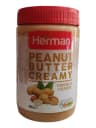
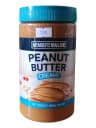
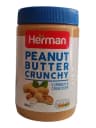
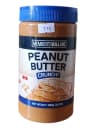
Peanut butter comes creamy and crunchy in 800g tubs from two suppliers, and both are the straightforward kind rather than the sweetened, hydrogenated sort. Crunchy biscuit spread in 560g is the indulgent end of the same shelf. Organic chicken stock in 946ml cartons and organic apple cider vinegar in the same size cover the two things people most often run out of mid-recipe.
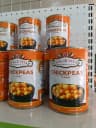
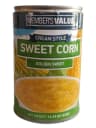
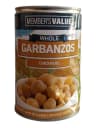
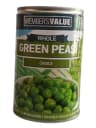
Tinned pulses — chickpeas, red kidney beans, whole garbanzos, green peas, cream-style sweet corn — are the quiet backbone. A tin of chickpeas, a lemon, and the olive oil already in your kitchen is a lunch.
Storing an open jar in the tropics
The rule that catches people out: once opened, nearly everything on this shelf goes in the fridge, including things that sat happily in a cupboard for a year beforehand. The preservation in an unopened jar depends on the seal, and once that is broken the humidity and heat here work fast.
Olives and capers should stay submerged in their brine. If the level drops below the contents, top it up with a light salt solution rather than plain water, which dilutes the preservative effect. The same applies to anything packed in oil — the oil is the barrier, and anything poking above it will spoil first.
Mustards, ketchups and hot sauces last months refrigerated. Mustard in particular loses its heat over time rather than going bad, so an old jar is dull rather than dangerous.
Tinned goods, once opened, must be moved out of the tin into a container. Food left in an opened tin picks up a metallic taste quickly and, with acidic contents like tomatoes, can start to react with the lining.
Peanut butter is the exception that does not need refrigerating, though it will separate. Stir it back together rather than pouring the oil off — that oil is the peanut's, and pouring it away leaves you with a dry brick.
Building the shelf
If you are starting from nothing, six things cover most of it: tinned tomatoes, olives, Dijon, a good vinegar, a hot sauce and a jar of capers or gherkins. That is under a thousand pesos and it changes what is possible on a weeknight.
For a villa or holiday kitchen, add the stock cartons and the Kewpie. For anyone cooking German or Swiss food, the mustards, the sauerkraut and the Grünkohl are the reason this shelf exists at all.
This is the largest category in the shop at fifty-one lines, and it is the one where stock rotates least predictably — an import arrives, a line is gone for a month. The list on this page reads live from the till, so it is accurate rather than aspirational.